利用显微拉曼光谱技术表征碳和二维材料
由于大量消费品都使用碳基材料制成,加之二维材料在未来技术中的应用前景,因此成为拉曼光谱的主要应用领域。
您可以通过拉曼光谱识别碳的所有形态,包括石墨烯、碳纳米管 (CNT)、石墨、金刚石和类金刚石碳 (DLC)。您还可以研究MoS2(二硫化钼)、h-BN(六方氮化硼)和WSe2(二硒化钨)等二维材料。
分析碳的所有形态
雷尼绍的拉曼系统一直用于碳材料的研究、开发和质量控制。通过拉曼光谱您可以确定:
- 石墨烯的层数及其缺陷、掺杂和应变
- 类金刚石碳 (DLC) 薄膜的厚度和杂化组成 (sp2和sp3)
- 碳纳米管 (CNT) 的直径和功能化
- 金刚石的应力、纯度和来源(合成或天然)
- C60和其他富勒烯的性质
- 无定形碳的结构组成
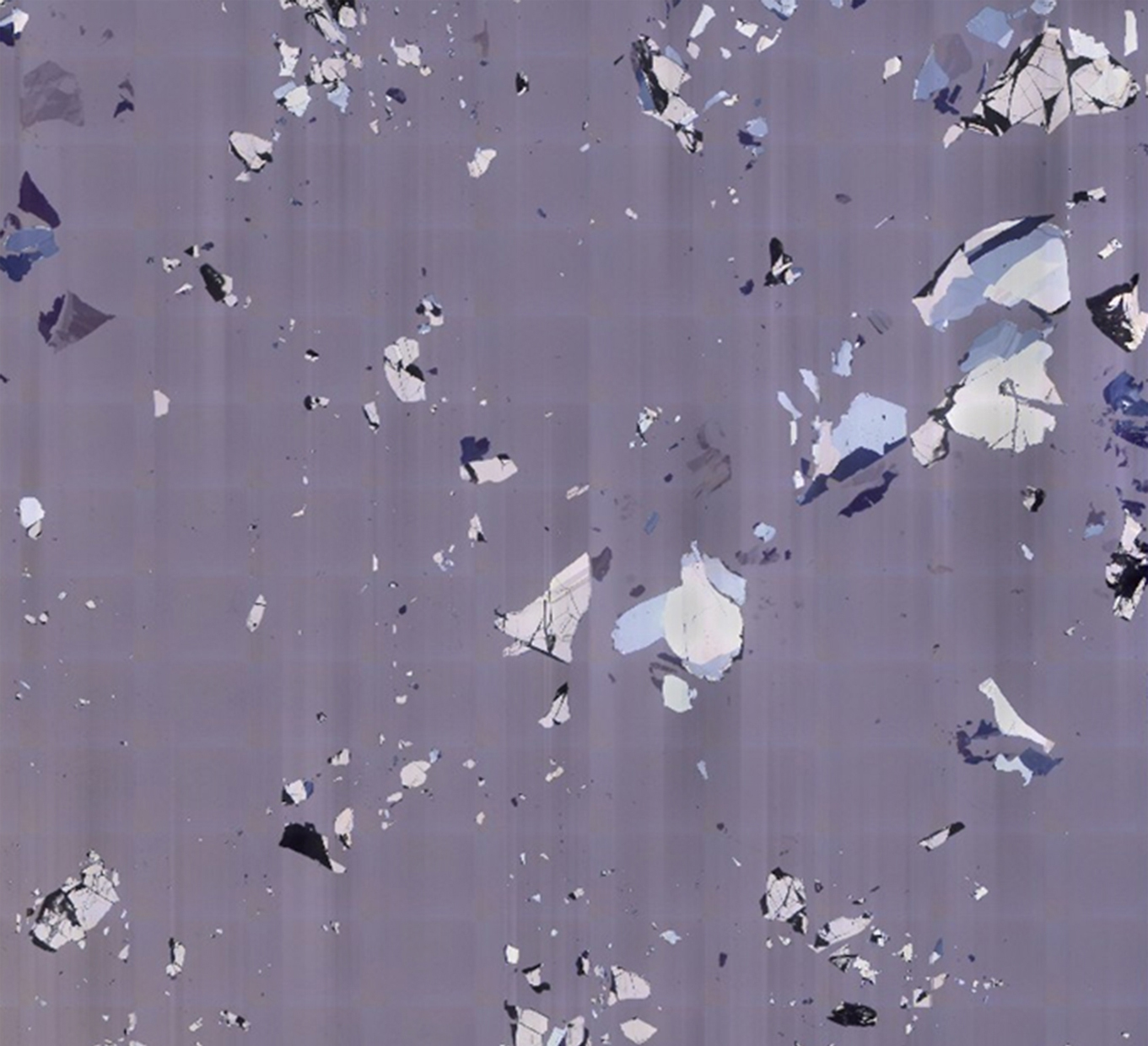
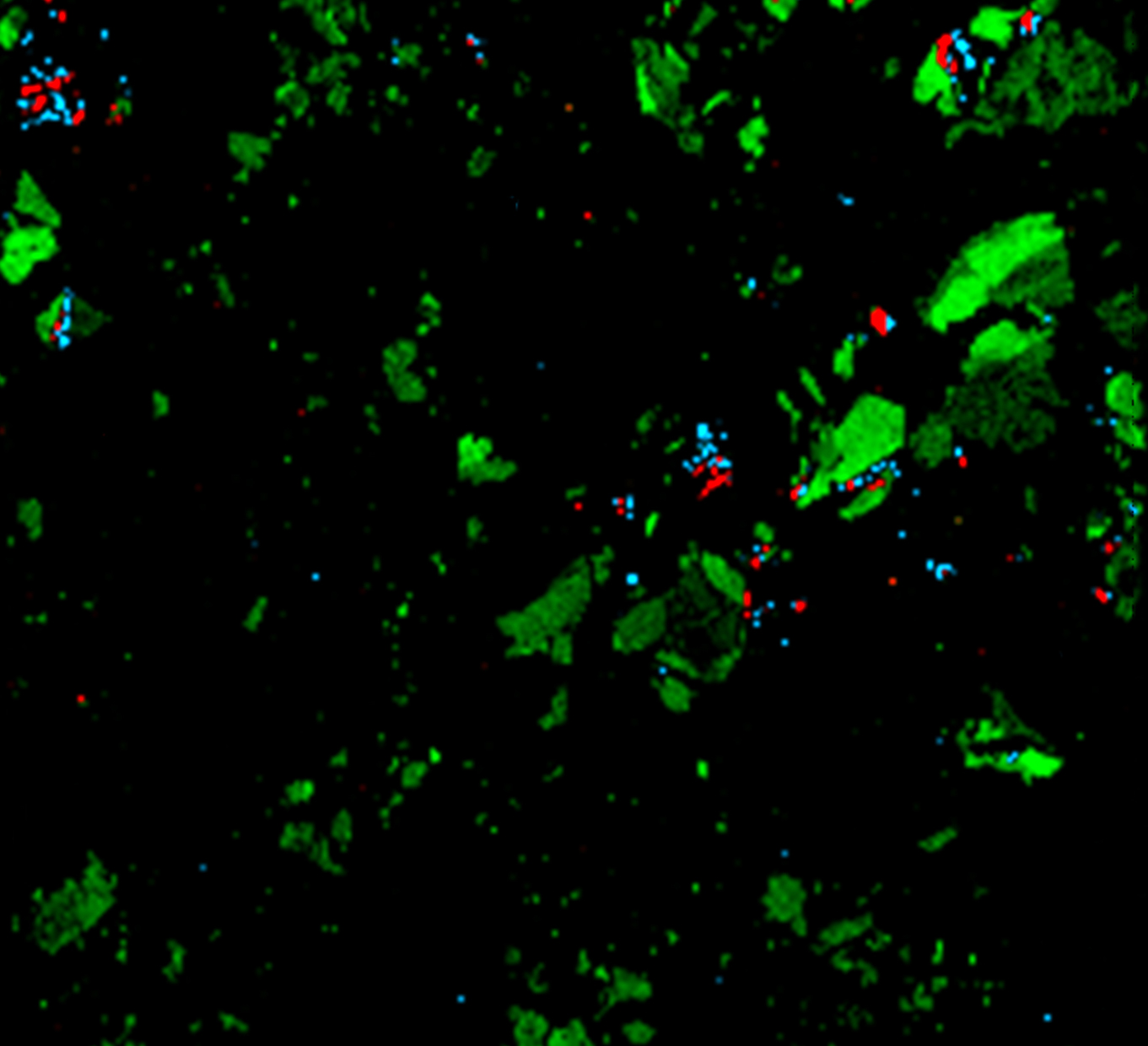
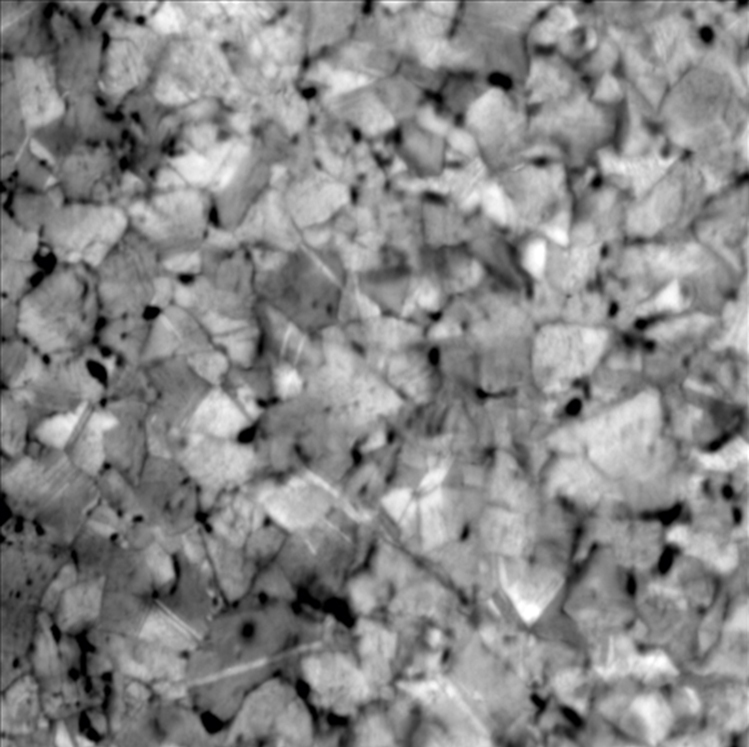
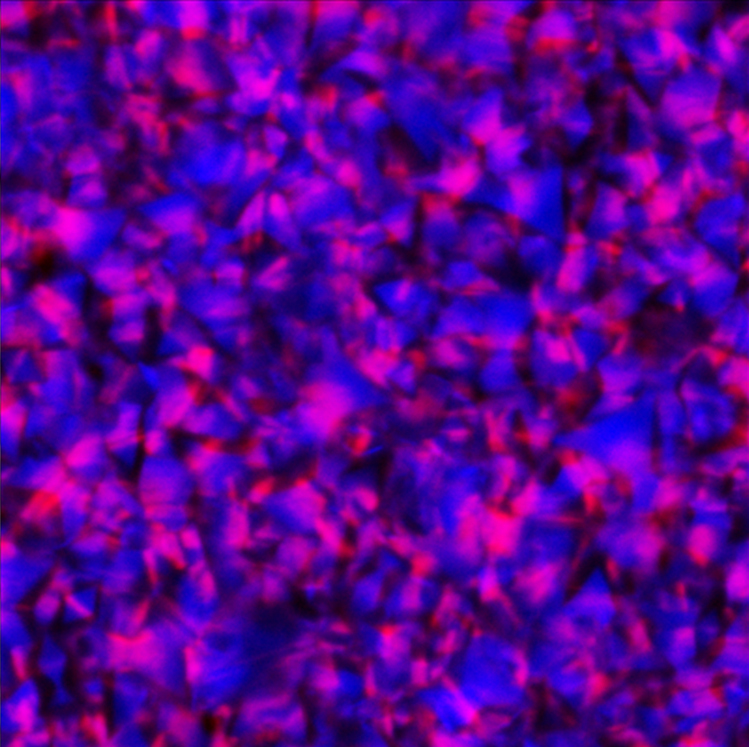
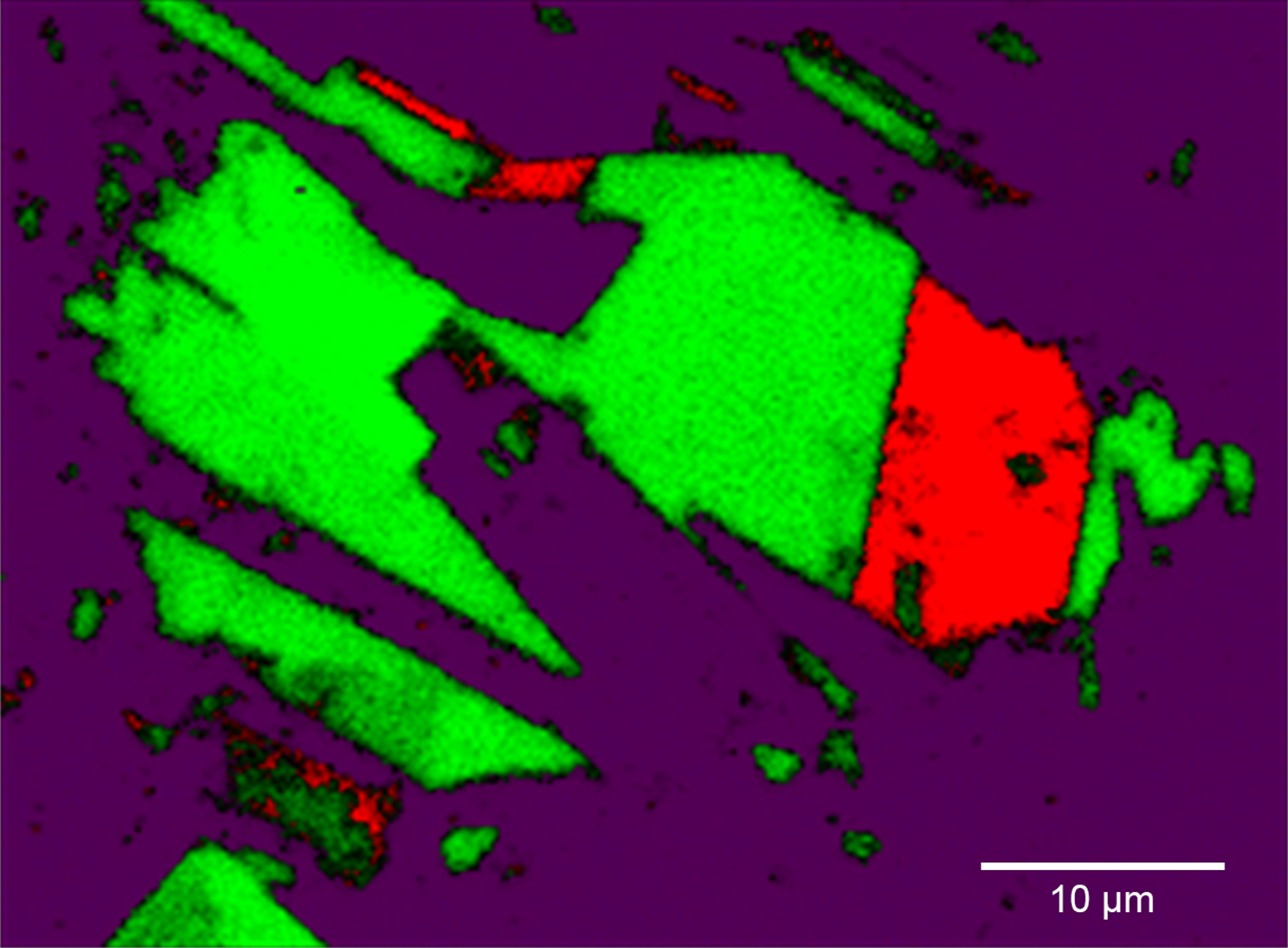
以热丝化学气相沉积法 (CVD) 生长的金刚石薄膜的拉曼图像和光致发光图像。
拉曼图像中显示了位于1332 cm-1处的金刚石谱带强度。在颜色较深的区域,石墨烯含量较高,这导致激光穿透力较低,金刚石信号较弱。
此光致发光图像基于1.77 eV谱带(红色,最有可能与生长过程中热丝的污染有关)和1.95 eV谱带(蓝色,[N-V]-氮空位)的强度。
更多信号,而无损伤
有些碳薄膜(例如类金刚石碳)会被高激光功率密度损伤。使用雷尼绍的线聚焦激光照射技术,功率密度减低,但总激光功率保持不变。您可以快速采集高质量数据,而不会损伤样品。
纳米技术
雷尼绍inVia™共焦显微拉曼光谱仪的高空间分辨率使其适用于研究纳米材料的结构和缺陷,例如石墨烯和碳纳米管。
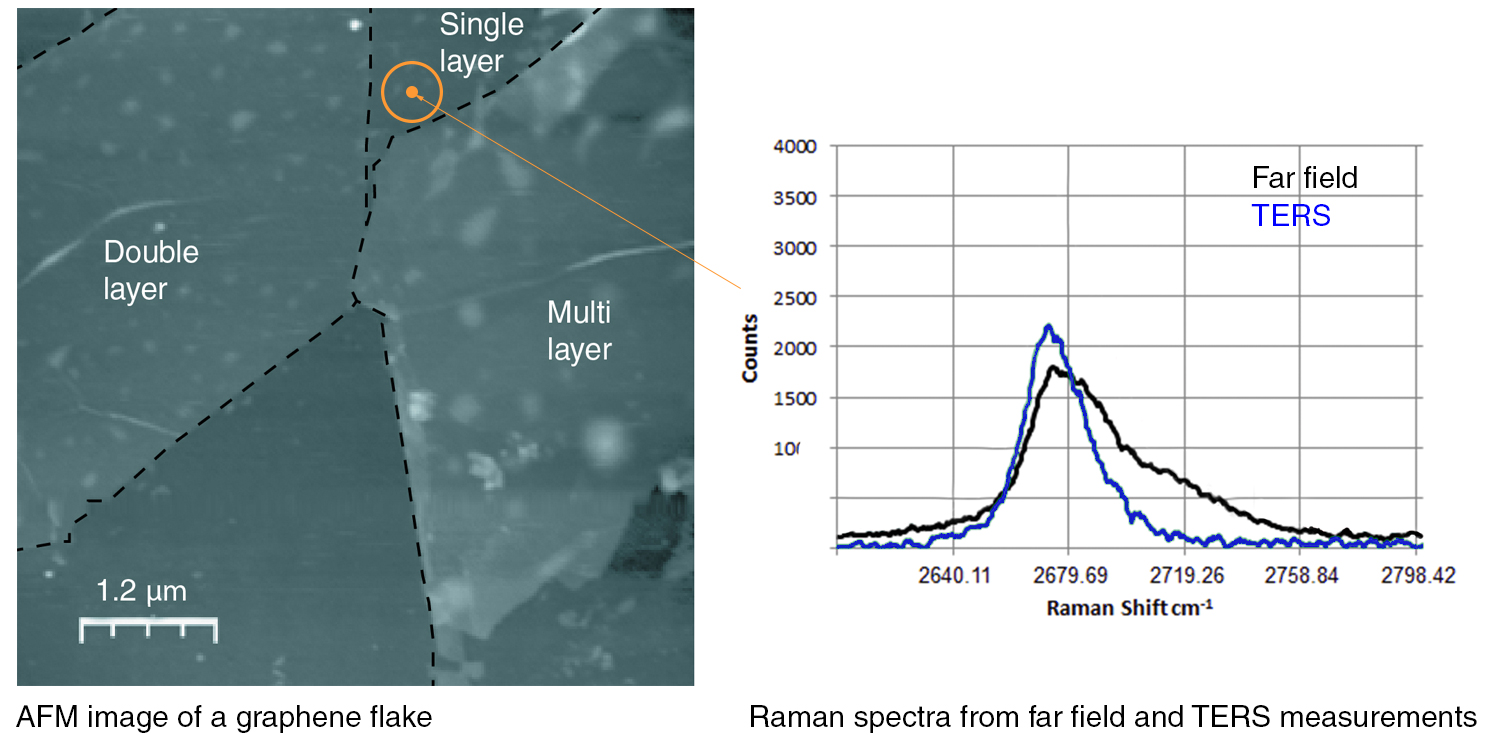
雷尼绍能够将扫描探针显微镜(例如,原子力显微镜)与拉曼分析联用。在通过SPM/AFM(扫描探针显微镜/原子力显微镜)采集的高空间分辨率形貌和特性信息的基础上,这些系统可再集成化学分析能力。您还可以使用针尖增强拉曼光谱 (TERS) 采集纳米尺度的拉曼化学信息。
包罗万象的光谱
雷尼绍的SynchroScan™数据采集模式可生成高分辨率、宽范围的光谱,能够简单、快捷地采集覆盖整个拉曼和光致发光范围的数据。例如,您可以:
- 一起查看碳纳米管的径向呼吸膜、G谱带和2D谱带
- 研究与金刚石中缺陷有关的光致发光特征,及其拉曼光谱
下载文档


点播网络研讨会:
除石墨烯以外的二维材料的生长与表征
在过去十年中,随着对石墨烯的物理性质和相关技术的研究不断深入,对具有相似范德华 (Van der Waals) 结构的其他二维材料的研究也逐渐展开。
在此类材料中,过渡金属二硫化物 (TMDC) 受到高度关注,它在电子和光电子应用领域展现出巨大潜力。本场网络研讨会将聚焦二维材料生长的最新发展和拉曼表征技术,并阐明工艺工程与材料表征之间的相互作用。
本场网络研讨会将为您呈献两场报告:
二维材料和异质结构的表征 — 英国雷尼绍公司,Tim Batten博士
二维材料和异质结构的沉积 — 英国Oxford Instruments公司,Ravi Sundaram博士
碳材料的拉曼光谱
从金刚石和碳纳米管 (CNT) 到石墨烯,碳材料的形态各异,应用广泛。
使用拉曼光谱可以区分不同形态的碳。了解碳的G带、D带、2D带和T带如何揭示结晶度、缺陷、层结构和sp2/sp3杂化。
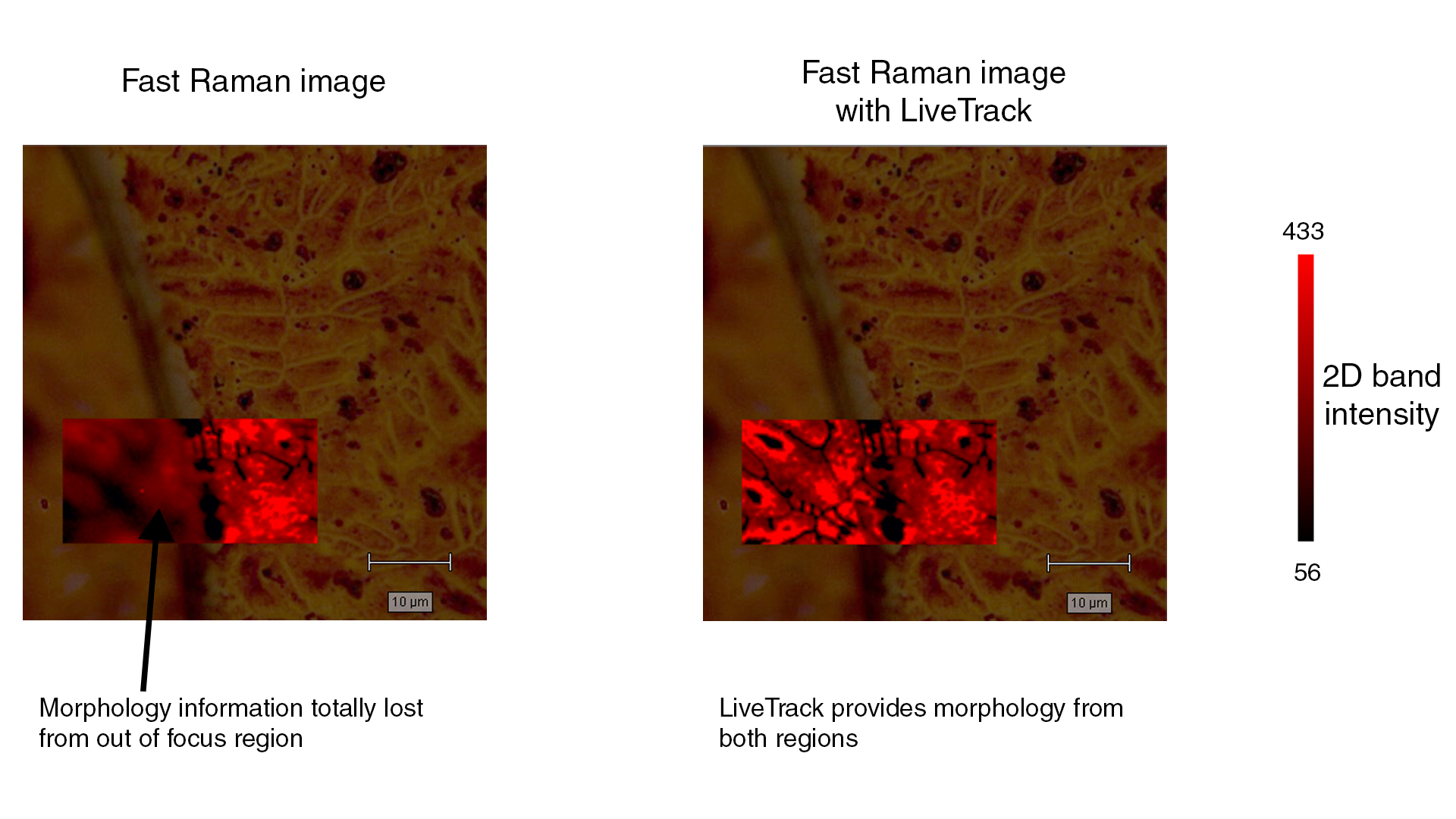
观看LiveTrack™技术在凹凸不平的石墨烯衬底上的实操应用,用于单壁碳纳米管 (SWCNT) 尺寸测定的多波长拉曼分析,以及用于工业类金刚石碳 (DLC) 质量控制的全自动化技术。
相关新闻报道
世界上最轻的机械表
2017年1月,世界上最轻的机械计时表在瑞士日内瓦问世,该产品展示了一种含石墨烯的创新复合材料。现在这个项目背后的研究成果已经发布,雷尼绍inVia显微拉曼光谱仪在这种材料的研发过程中发挥了重要作用。