利用显微拉曼光谱技术进行刑侦分析
刑侦学需要高性能、多用途、可靠且可溯源的分析仪器。雷尼绍的拉曼系统能够满足这些关键要求,因而广泛应用于全球的刑侦实验室。
多功能性显而易见
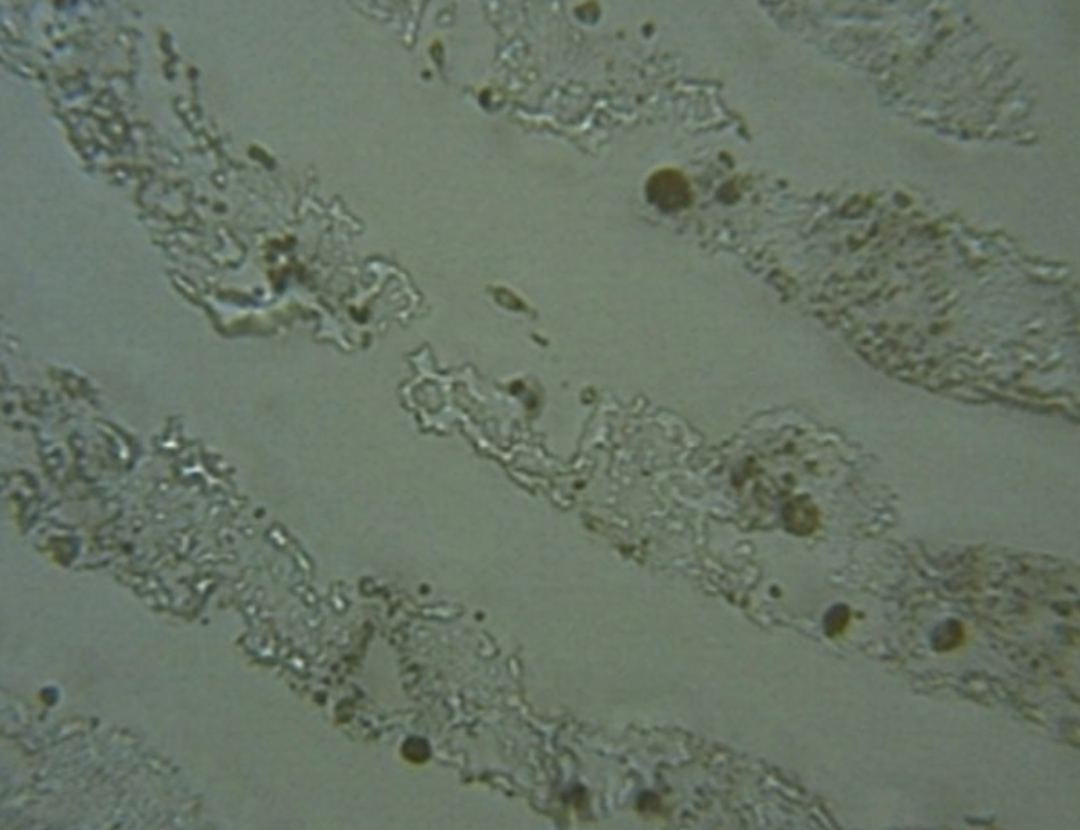
使用雷尼绍的拉曼系统,您可以准确地检测和分析微小的材料碎片。
- 识别颗粒、纤维和物质
- 分析机动车碰撞后产生的油漆污点
- 识别麻醉剂
- 检测伪造品
- 识别炸药和枪击残留物的痕迹
- 区别笔和打印机的墨水,确定可疑文件上的交叉笔画的书写顺序

可靠的结果
雷尼绍的拉曼系统可重复生成样品的准确数据。这些系统可执行例行内检,因此您可以相信数据的可靠性。
利用不同技术进行研究
拉曼分析是非接触且无损的。您可以多次分析样品,然后还可再利用其他技术进行研究。
添加了雷尼绍的inLux™ SEM-拉曼联用接口之后,您的扫描电子显微镜 (SEM) 将具有化学分析能力。不仅能够识别样品中存在的元素,还可以了解其化学结构。
如果速度至关重要
快速分析是刑侦学的核心要求,有时甚至需要分析极小的颗粒。一些关键的刑侦技术的分析速度很慢。使用雷尼绍拉曼系统,您可以快速识别可疑物质或检测目标物质。
图库



下载文档


相关新闻报道
指纹中的痕量分析
化学成像技术要在实际自然环境中真正发挥作用,需要具有多功能性,能够适应各种物体表面。通过分析汽水罐侧面的一枚指纹,我们验证了拉曼成像技术的性能。
拉曼光谱如何帮助识别伪造文书
拉曼分析可以快速对可疑区域进行无损测试,根据特异性区分视觉上看似相同但化学成分不同的类似墨水。我们测试了一种方法,通过分析交叉笔画来识别伪造的文书。